
-
BBT 4000 Break Beam Solar Charged Transmitter
Regular price $259.99Regular priceUnit price per -
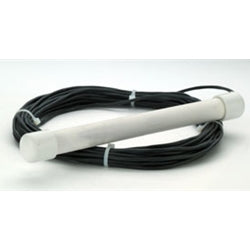
Dakota Alert 4000 Rubber hose ( DCRH 4000 )
Regular price $170.00Regular priceUnit price per -
Dakota Alert Accessory NEMA Enclosure for Hose and probe Transmitters
Regular price $149.95Regular priceUnit price per -
Dakota Alert BBA-4000 Driveway Alarm Wireless Photo Beam Transmitter and Receiver
Regular price From $330.00Regular priceUnit price per -
Dakota Alert DCPT-4000 Vehicle Probe Driveway Alarm Transmitter
Regular price $200.00Regular priceUnit price per -
Dakota Alert hose WRH 4000, WRH 2500
Regular price $55.00Regular priceUnit price per$55.00Sale price $55.00 -
Dakota Alert M538-HT Hand held two way radio
Regular price $90.00Regular priceUnit price per -
Dakota Alert MTPR-4000 Driveway Motion Alarm with Portable Receiver
Regular price $145.00Regular priceUnit price per -

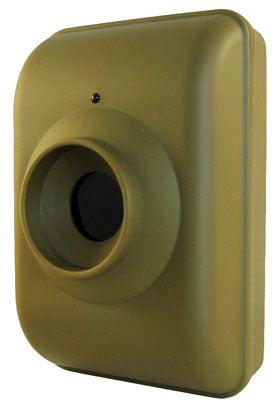 Sold out
DCMA - 4000 Dakota Driveway Alarm
Regular price $99.99Regular priceUnit price per -
DCPA 4000 Wireless Magnetic Driveway Alarm
Regular price From $250.00Regular priceUnit price per -
Driveway Alarm ADDITIONAL RECEIVER( DCR 4000) |Reliable Chimes
Regular price $60.00Regular priceUnit price per -
Driveway Alarm DWA-8- Transmitter and Receiver ( TX/ RX 2000 A)
Regular price $165.00Regular priceUnit price per -
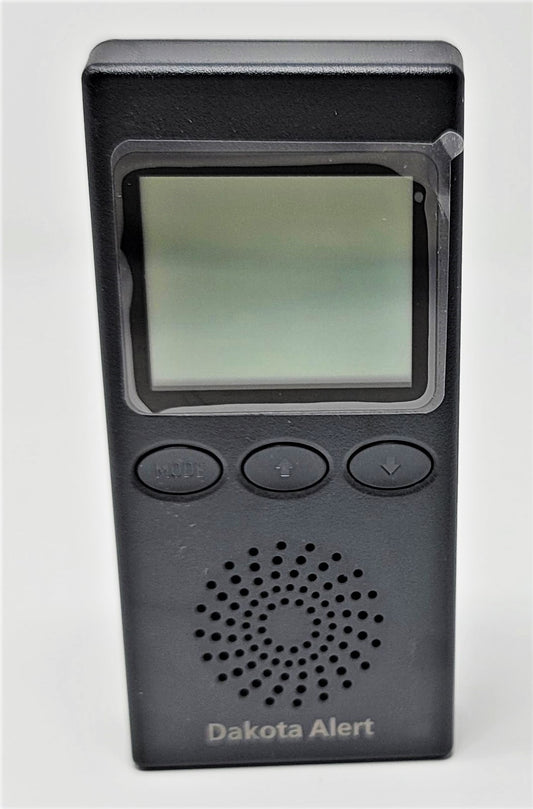
DRIVEWAY ALARM PORTABLE RECEIVER ( PR 4000 )
Regular price $75.00Regular priceUnit price per -
DWA Light Switch
Regular price $49.95Regular priceUnit price per -
DWA-2-4000 Driveway Alarm Transmitter ( DCMT 40000 )
Regular price $64.99Regular priceUnit price per -
DWA-3 Driveway Alarm ( Meir Products DA 500 )
Regular price From $165.00Regular priceUnit price per -
DWA-3 Optional Timer for Information
Regular price $195.00Regular priceUnit price per -
DWA-6-2000 Additional Receiver
Regular price $105.00Regular priceUnit price per -
DWA-6-2000 Standard OPTEX Wireless 2000 Driveway Alarm
Regular price $215.00Regular priceUnit price per -
DWA-6-2000 Standard Transmitter (ADDITIONAL)
Regular price $105.00Regular priceUnit price per -
DWA-8-Driveway Observer ( RX 2000 A )ADDITIONAL RECEIVER
Regular price $65.00Regular priceUnit price per -
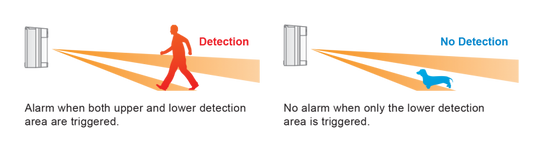
DWA-9 Long Range Driveway Alarm with pet immunity| Reliable Chimes
Regular price $550.00Regular priceUnit price per -
DWA-9 Long Range Transmitter
Regular price $450.00Regular priceUnit price per -
DWA-9-2000
Regular price $600.00Regular priceUnit price per

















Collection: Wireless Driveway Alarms
Wireless Driveway Alarms: Find the Right System
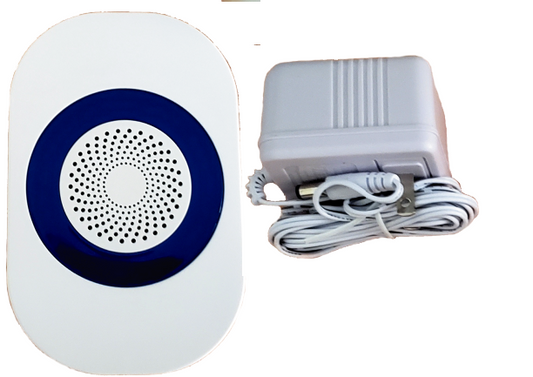
Choose a driveway alert for your home or business by matching the detection method, sensor placement, and receiver setup to your property. Check each product’s specifications before ordering.
- Detection type: Decide whether you want alerts for vehicles, people, or both. Compare motion sensors, vehicle probes, photo-beam systems, and hose-based options. Check what each sensor detects and how it needs to be installed.
- Range: Check both the sensor’s detection coverage and the wireless transmission distance to the receiver. These are different measurements. Allow for walls, trees, terrain, and other obstacles rather than relying on an open-area range rating alone.
- Sensitivity and placement: Check whether sensitivity is adjustable and follow the model’s mounting and aiming instructions. Position the sensor to monitor your intended approach and test it with the traffic you want to detect before final installation.
- Sound and volume: Compare the available alert tones and volume controls. Choose an alert you can hear where you work or spend time, without making it unnecessarily disruptive for family, staff, or customers.
- Power: Confirm the power requirements for both the sensor and receiver, including batteries, outlet access, or solar charging where specified. Plan for access when batteries need replacing or equipment needs maintenance.
- Home or business: For a home, start with the driveway approach and where you need to hear the alert. For a business, consider each entrance, background noise, and whether alerts need to reach more than one location. Verify support for additional sensors, receivers, or connected accessories before expanding.
Before you buy, confirm whether the listing is a complete transmitter-and-receiver system, an additional component, or an accessory. Match any add-on to a compatible system.
