
-
DWA-9-Long Range Driveway Alarm ADDITIONAL RECEIVER
Regular price $108.00Regular priceUnit price per -
Loud Ringing Bell
Regular price $56.00Regular priceUnit price per -
Rodann Electronics TX 2000A ADDITIONAL TRANSMITTER
Regular price $108.00Regular priceUnit price per


Collection: Wireless Driveway Alarms
Wireless Driveway Alarms: Choose Your Setup
Find the right driveway alert for your home or business by matching the detector, wireless range, and receiver to your property.
Detection type: Choose a vehicle probe for vehicle-only detection, a motion sensor for people and vehicles, a break beam to monitor a defined crossing, or a rubber hose to detect vehicles driving over it. Check each model’s installation requirements.
Range: Sensor detection distance and wireless range to the receiver are different. Check both, and account for buildings, trees, and terrain when planning placement.
Sensitivity and setup: Look for adjustable sensitivity where needed. Follow the model’s mounting, aiming, or burial instructions, and test your intended traffic before final installation.
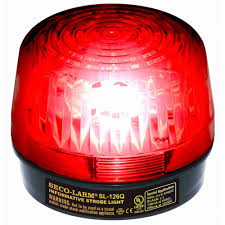
Sound: Compare alert tones, volume controls, and portable receiver options. For noisy work areas, check compatibility with an additional bell or strobe.
Power: Confirm battery requirements for the sensor and outlet or charging needs for the receiver. For solar-powered models, plan suitable panel placement.
Home or business: At home, focus on your driveway approach and where you need to hear alerts. For a business, consider multiple entrances, background noise, and whether additional sensors or receivers are supported.
Before ordering, check whether you’re buying a complete system, an additional transmitter or receiver, or an accessory. Confirm compatibility with your chosen model.
